The law promised every child a place.
Inclusion is written into education plans almost everywhere. What rarely arrives is the tooling. Every class has a few children a teacher cannot reach alone: some who cannot speak yet, some who speak well but need the day to be predictable, some who cannot sit still, some who see or hear differently — and many who are simply behind because the school never had the resources. That last group is the largest.
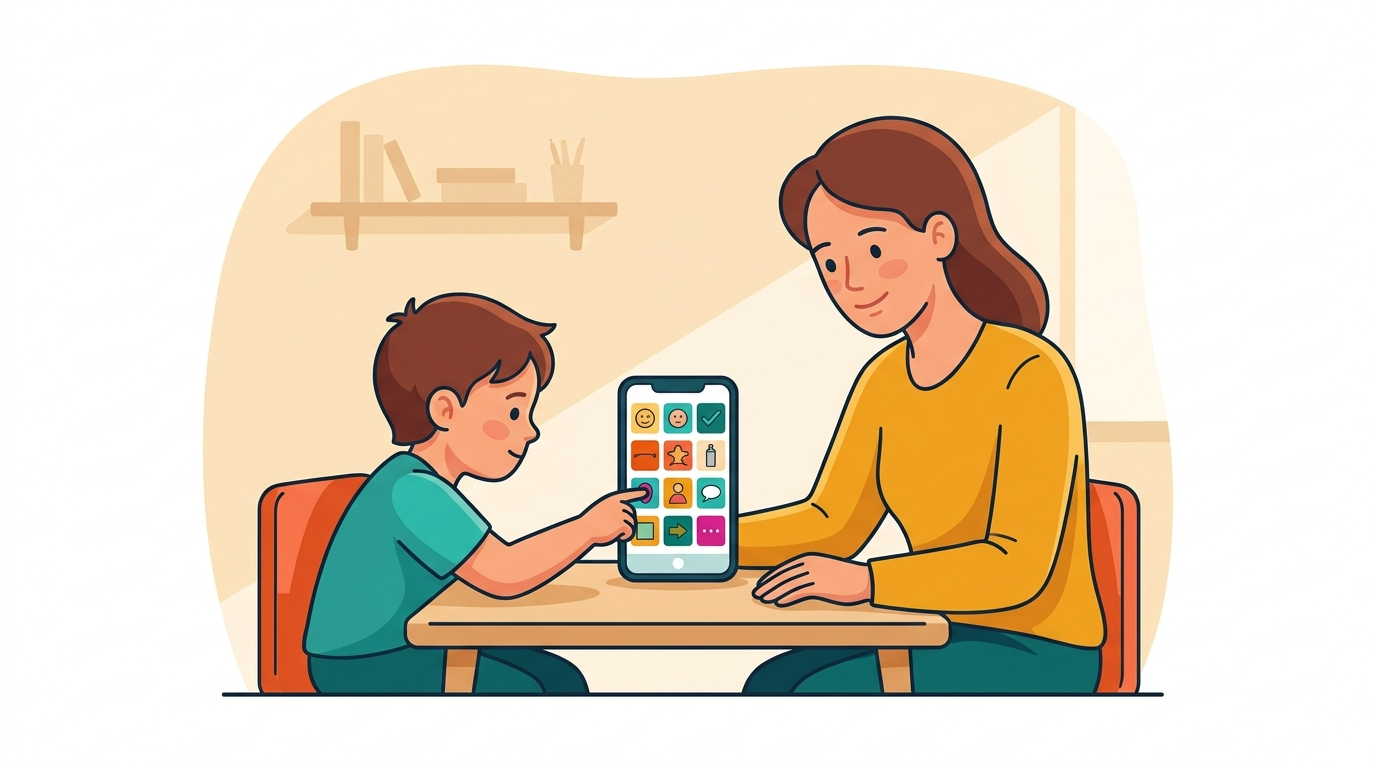
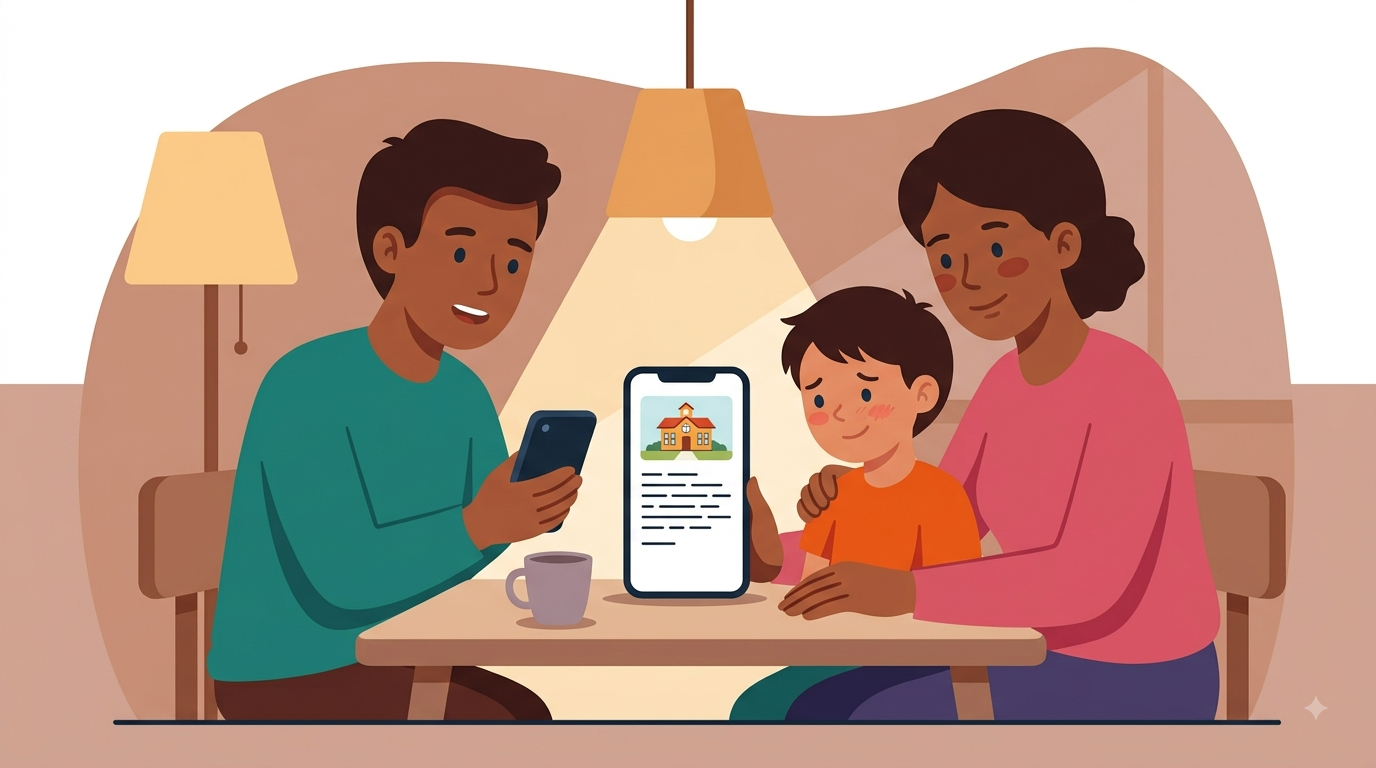
BloomBridge is that missing layer: a talk board, a picture schedule and a calm corner, a strengths journal, and a family report — running in the browser, speaking the family's language, and printing to paper where devices don't reach.
And the gap is widening: learning and public services are moving online everywhere, while the families who need them most have the least digital access and literacy. Our answer is a tool that works on the cheapest phone in the room, teaches through pictures and audio before reading — and walks out the door on paper.